
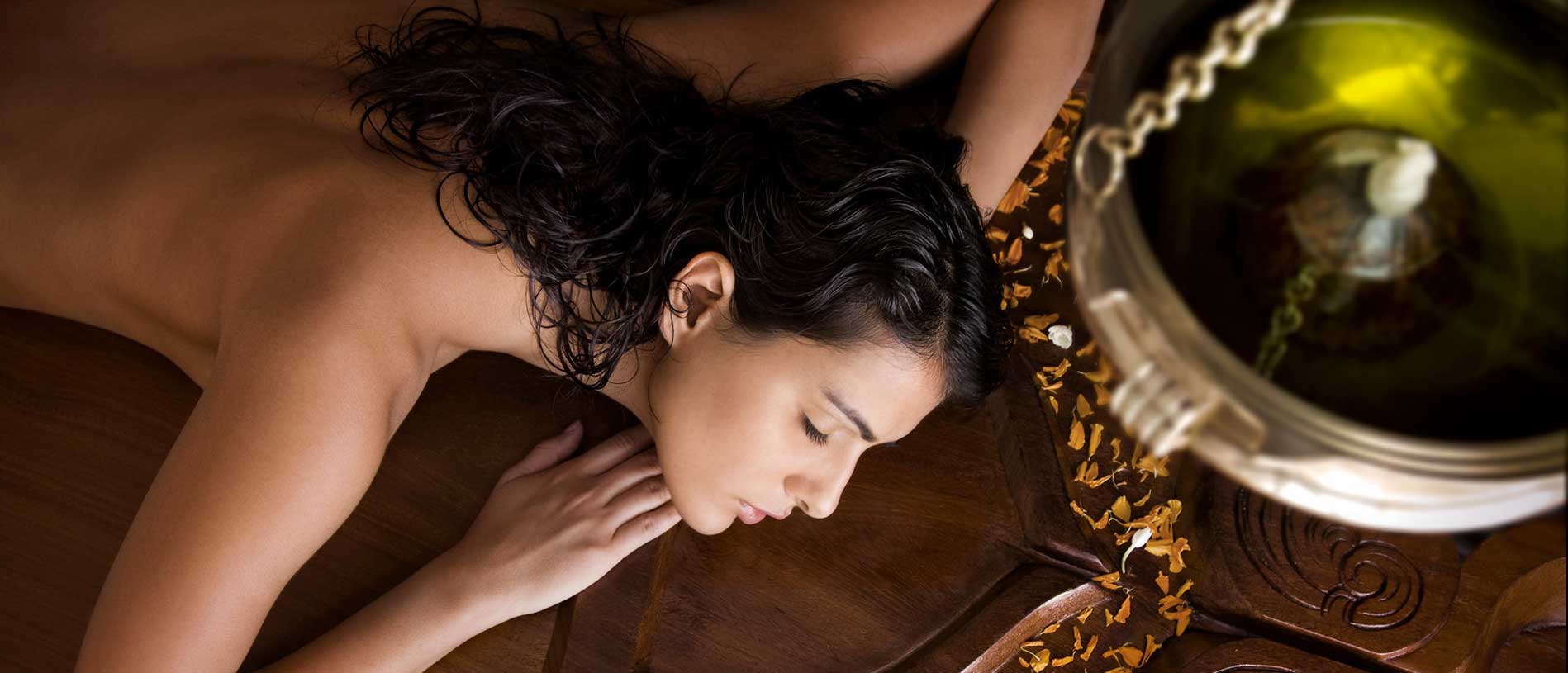
Ayurvedische Supplementen
Het Indiase subcontinent kent een duizenden jaren oude geschiedenis van kruidenfarmacologie en kruidentherapie. De traditionele Ayurvedische Geneeskunde vertegenwoordigd door Ayurvedische Artsen (GAMS/BAMS), Vaidya’s en Practitioners met klinische ervaring is daarom het meest geschikt om ons te begeleiden bij de beproefde dosering en het veilige gebruik van enkelvoudige kruidensupplementen en complexen.
Bij de productie van AGN-supplementen, wordt gebruik gemaakt van met zorg geselecteerde kruiden, plantbestanddelen en traditionele Ayurvedische verwerkingsmethoden. Het productieproces van AGN-supplementen staat onder toezicht van traditionele Ayurvedische apothekers (Upavaidya’s en biochemici) die de moderne apparatuur en het gestandaardiseerde productieproces aansturen. Dit alles gebeurt om de potentie en effectiviteit te verhogen alsook de houdbaarheid te verlengen en de voedselveiligheid te garanderen.
De enkelvoudige Ayurvedische supplementen en kruidencomplexen van AGN zijn met zorg vervaardigd en samengesteld volgens de ISO 22000: 2005, ISO 9001:2000 en HACCP-certificering (voedselveiligheid & hygiëne) en voldoen aan de Europese richtlijnen.
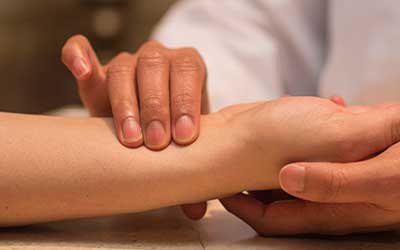
Ayurvedisch Consult
Een Ayurvedisch consult bestaat uit een Ayurvedische (pols)diagnose, een constitutie bepaling, een gesprek met cliënt en (mits noodzakelijk) het opstellen van een behandelplan.
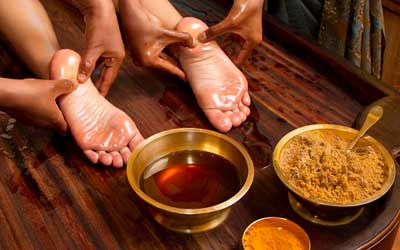
Persoonlijke verzorging
Balans is de Sleutel tot Succes & Welzijn. Gezonde ontspanning zorgt ervoor dat Lichaam & Geest zich optimaal kunnen herstellen. Met een Ayurvedische Massage en verzorgingsproducten van AGN gaat geen dag verloren.

Ayurveda Kruidentherapie
In de Ayurveda en bij AGN wordt gewerkt met zowel klassieke enkelvoudige Ayurvedische kruidenpreparaten als traditionele kruidencomplexen. Voor een overzicht klikt u op de foto.
Online Consult
Wanneer u verhindert bent om langs te komenHeeft u zorgvragen of wilt u toch een Ayurvedische arts spreken over de voortgang van uw behandeling? Wij bieden u de mogelijkheid om via Beeldbellen (Whatsapp of Skype) een consult/advies te ondergaan. De kosten voor een Online Consult bedragen € 50,00
Bel naar onze kliniek 070 319 25 46 om een afspraak in te plannen.
Waarom Ayurveda?
« Ayurveda werkt weerstandsverhogend en ziekte preventief »
« De Ayurveda is de oudste geneeskunde die de menselijke beschaving kent »
« Ayurveda is de werkelijke kunst van het leven en heeft de tand des tijds overleeft »
« Ayurveda verbetert de kwaliteit van lichamelijke, mentale en spirituele bewustwording »
« Klassieke Ayurvedische kruidensupplementen hebben 100% natuurlijke ingrediënten »
« Ayurvedische producten hebben géén bijwerkingen van lichaamsvreemde chemische stoffen »
« Ayurveda heeft authentieke programma’s die helpen het lichaam (geleidelijk) te ontslakken/detoxen »
Bestel hier uw Ayurveda Producten
Studeer bij de oudste Ayurveda School in Nederland
AANGESLOTEN BIJ DE BEROEPSVERENIGING


Werkt alleen op Desktop, Laptop & Tablet
AYURVEDA BIJ AGN
Ayurveda OpLEIDINGEN
EISRA (European Institute of Scientific Research on Ayurveda)
Ayurvedische kennis is multi-dimensionaal, werkt op alle bestaansniveau’s en heeft als doel de kwaliteit van leven te behouden als ook te verbeteren.
Onze Ayurveda Opleidingen worden sinds 1989 verzorgt door EISRA. EISRA heeft een Memorandum of Understanding getekent met de Gujarat Ayurved University, Jamnagar, India, alsmede met de Dayanand Ayurvedic College te Punjab, India en is als zodanig dan ook altijd op de hoogte van de laatste wetenschappelijke ontwikkelingen in relatie tot de Ayurveda.
Ayurvedische kennis is multi-dimensionaal, werkt op alle bestaansniveau’s en heeft als doel de kwaliteit van leven te behouden als ook te verbeteren. Het oogmerk en doel van EISRA is dan ook om in Europa (en natuurlijk ook daarbuiten) aandacht en erkenning voor de Ayurvedische Geneeskunst te vragen.